
Rediscover Mobility and Independence: Your Guide to Finding the Right Sit to Stand Lift for Sale

For individuals recovering from surgery, managing chronic conditions, or coping with age-related weakness, the simple act of standing can become a monumental challenge. A sit-to-stand lift bridges the gap between complete dependency and independent mobility. Unlike full-body sling lifts, these devices are designed for patients who possess some weight-bearing capacity and trunk control. They support a natural standing motion, leveraging the patient’s own strength while providing the safety net needed to prevent falls. For caregivers, the device is transformative. It eliminates the dangerous biomechanics of manual lifting, reducing the risk of back injuries and chronic strain. When you search for a sit to stand lift for sale, you are investing in a tool that preserves dignity, accelerates rehabilitation, and creates a safer environment for everyone involved. Modern units feature padded knee supports, ergonomic handles, and smooth hydraulic or battery-powered operation, making them an essential addition to both home care settings and institutional facilities.
Understanding the Sit-to-Stand Mechanism and Its Clinical Benefits
The core engineering of a sit-to-stand lift focuses on mimicking the body’s natural pivot point during a transfer. The patient sits on the edge of a bed, chair, or wheelchair. A padded knee block is positioned firmly against the shins to prevent sliding forward. The patient then grasps handles or a stability bar, and the lift slowly raises them into a standing position. This motion encourages the patient to actively participate in the transfer, which is critical for maintaining muscle tone and bone density. Medical professionals emphasize that passive transfers—where the patient is moved entirely by the lift—can accelerate muscle atrophy. The sit-to-stand method, by contrast, promotes therapeutic standing.
Clinically, these lifts are prescribed for a wide range of conditions. Patients recovering from hip or knee replacements benefit greatly because the device supports partial weight bearing while protecting the surgical site. Individuals with Parkinson’s disease or multiple sclerosis, who struggle with postural instability and muscle rigidity, find that the lift provides the consistent alignment needed for safe repositioning. Even bariatric patients who can bear some weight use heavy-duty sit-to-stand models that accommodate higher capacities without compromising stability. The key distinction here is partial weight bearing. If a patient cannot bear any weight or has poor trunk and head control, a full-sling lift is necessary. But for those who can stand with moderate assistance, the sit-to-stand lift is the superior choice.
Caregiver safety is another pillar of the device’s value. The U.S. Bureau of Labor Statistics consistently ranks healthcare workers among the highest for non-fatal musculoskeletal injuries, with patient handling being the primary cause. A manual sit-to-stand transfer often requires two caregivers, and even then, the risk of sudden patient collapse is high. A mechanical lift eliminates that unpredictability. The lift handles the vertical load, while the caregiver only guides the patient’s feet and positioning. This reduces the physical strain by over 80% in many scenarios, allowing care to be provided more frequently and with less fatigue. When considering a sit to stand lift for sale, you are effectively purchasing a piece of insurance against long-term caregiver disability.
Critical Features to Evaluate When Searching for a Sit to Stand Lift for Sale
Not all sit-to-stand lifts are created equal. The market offers variations in weight capacity, battery technology, base configuration, and sling design. A thorough evaluation of these features is essential before making a purchase. The first consideration is weight capacity. Standard models typically support 350 to 400 pounds, but heavy-duty versions can handle up to 700 pounds. Always select a unit with a safety margin above the patient’s current weight to account for fluctuations and the added weight of clothing or positioning aids.
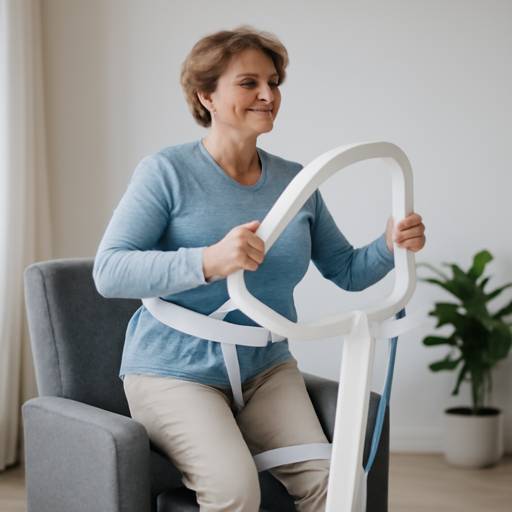
Battery life is another decisive factor. Units with sealed lead-acid batteries are common but heavier and slower to charge. More modern lifts use lithium-ion technology, which offers faster charging, longer cycle life, and a lighter overall frame. For home use, battery life of 30 to 50 full lifts per charge is standard, but for facilities, look for models with hot-swappable battery packs to ensure zero downtime. The base design also matters greatly. A wide, spreadable base provides stability but may not fit under low hospital beds or through narrow doorways. Some lifts feature a “walk-through” design that allows the patient to stand inside the base, which can feel more secure and less claustrophobic than straddling a central pillar. The knee pads should be contoured and adjustable, as improper positioning can cause pressure sores or discomfort during the lift.
Integration with existing equipment is another subtle but vital detail. The lift you choose must be compatible with the sling system you plan to use. Many manufacturers use proprietary attachment clips or loops, which means you cannot mix and match brands without adapters. When looking for a sit to stand lift for sale, always check whether the unit comes with a sling and whether replacement or additional slings are readily available. Color-coded sizing for the sling is helpful for caregivers who work with multiple patients. Finally, consider the ease of cleaning. In healthcare environments, lifts collect dust, bodily fluids, and pathogens. Models with sealed seams, removable pads, and powder-coated frames are easier to sanitize and maintain. A lift that is difficult to clean will eventually become a hygiene liability, especially in multi-patient settings.
Real-World Applications and Clinical Success Stories with Sit-to-Stand Lifts
To understand the practical impact of these devices, consider the case of a 150-bed skilled nursing facility in Ohio. Before adopting a fleet of sit-to-stand lifts, the facility recorded an average of 14 caregiving-related back injuries per year. After replacing their manual transfer protocols with mechanical sit-to-stand units, that number dropped to two minor injuries over a two-year period. The facility also noted a 20% reduction in patient falls during transfers. The key was staff training: nurses and aides learned to position the knee block correctly and to cue the patient to “push through their legs” rather than hanging onto the lift handles. This active engagement strengthened the patients’ quadriceps and improved their overall gait stability. The director of nursing reported that patients who had been bed-bound for weeks were able to stand for five minutes at a time within three sessions of using the lift.
Another example comes from a home care setting for a 74-year-old man with advanced chronic obstructive pulmonary disease (COPD). Manual transfers left him breathless and anxious, often leading to panic attacks. His daughter, the primary caregiver, struggled with her own back pain. They purchased a lightweight, portable sit-to-stand lift. Within a week, the patient’s oxygenation levels during transfers improved because he was no longer holding his breath in fear. The caregiver reported that she could transfer him three times a day without muscle soreness. The lift also allowed him to stand at the bathroom sink for grooming, restoring a sense of normalcy. In this case, the lift was not just a safety device—it was a tool for psychological well-being.
A third case involves a 300-pound bariatric patient with traumatic brain injury who had partial weight-bearing ability in his left leg. Standard sling lifts were deemed too passive and risked shoulder damage due to his weight. A heavy-duty sit-to-stand lift with a reinforced knee block and a 700-pound capacity was deployed. Over four months, the patient regained enough strength in his left leg to transition to a walker. The physical therapy team emphasized that the lift’s adjustable speed allowed them to gradually reduce assistance, providing just enough support to prevent failure while still challenging the patient. This case illustrates how sit-to-stand technology serves as a rehabilitation accelerator, not merely a transfer aid. For clinics and families evaluating equipment, these real-world outcomes underscore the value of choosing a high-quality lift from a reputable supplier. A poorly designed lift with limited adjustability or weak knee support can actually hinder progress and increase patient anxiety, making the selection process critical.
